Get Livestock Fencing Installation
Local contractors offer livestock fencing installation services to secure property boundaries, contain animals, and support various agricultural or ranching projects.
Livestock fencing installation is an important consideration for property owners looking to secure animals, define boundaries, or improve land management. Whether establishing a new perimeter or upgrading existing enclosures, choosing experienced local contractors can help ensure the project meets practical needs and fits the specific layout of the land. Exploring options in the area allows property owners to compare services and find solutions tailored to their unique requirements.
For those planning fencing projects, understanding the range of available services from nearby providers can support informed decision-making. Local contractors often have valuable knowledge of regional land conditions and fencing materials, making it easier to select the right approach. Continuing to explore your options can help identify the most suitable services for your livestock fencing needs.
- Farm fencing installation - when establishing boundaries for livestock or crop protection on a farm or ranch.
- Perimeter fencing for pastures - when securing large outdoor areas to contain animals and prevent escapes.
- Ranch fencing repair - when existing livestock fences are damaged or deteriorated and need restoration.
- Custom livestock enclosure setup - when creating specialized enclosures for different types of farm animals.
- Fence replacement services - when upgrading or removing outdated fencing to improve durability and security.
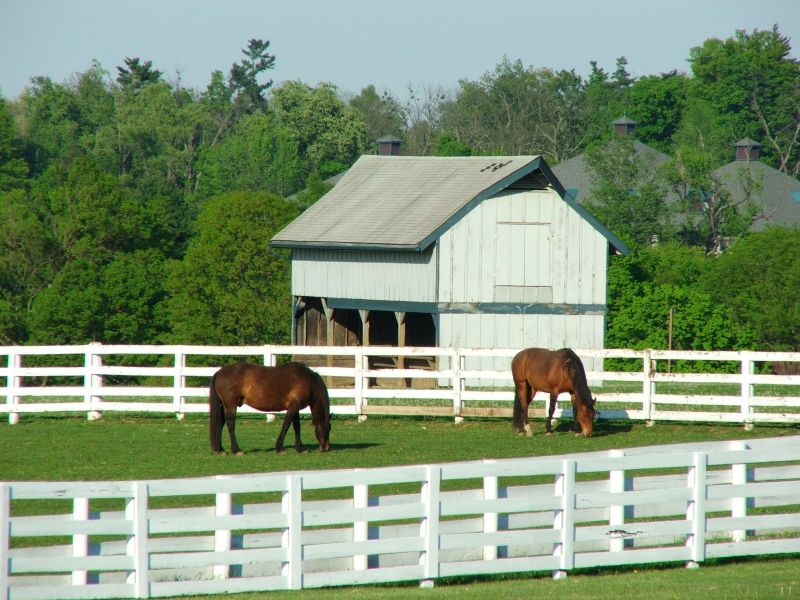
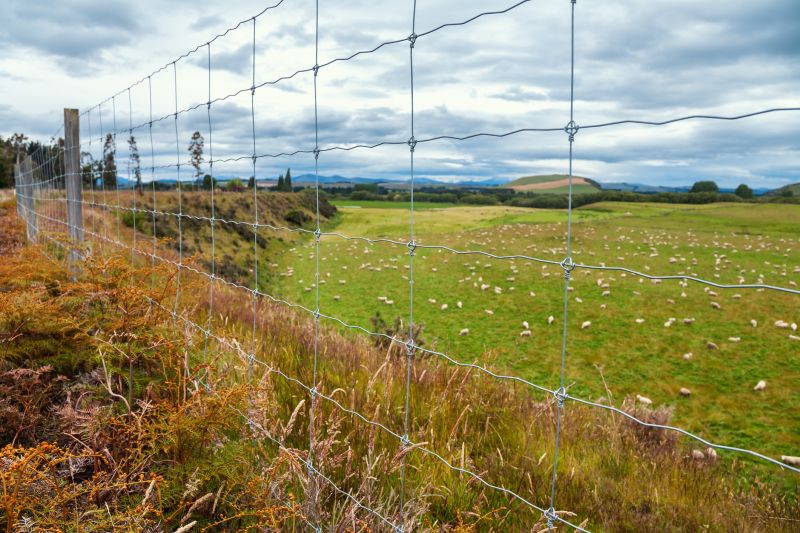
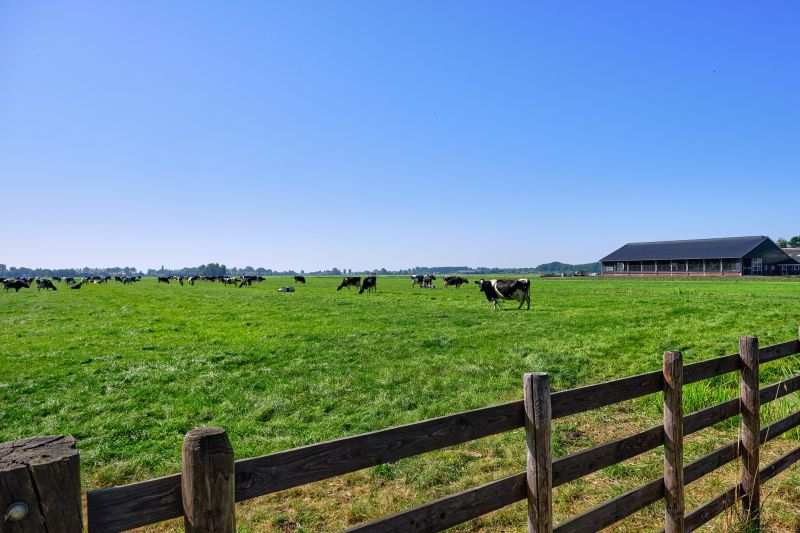
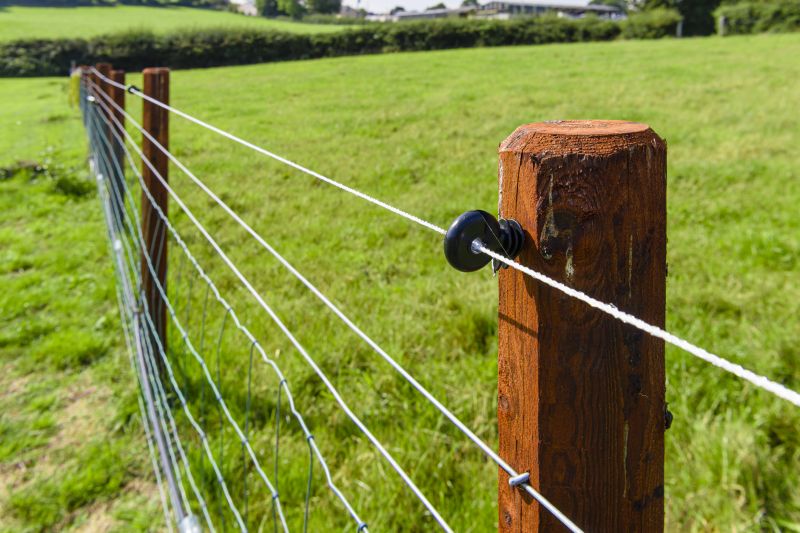
Livestock fencing installation involves setting up secure barriers around properties to contain animals and prevent unwanted intrusions. This service typically includes selecting the appropriate fencing materials, preparing the site, and installing the fencing structure to ensure durability and effectiveness. Whether it’s a traditional wooden fence, wire mesh, or electric fencing, experienced service providers can customize the installation to suit the specific needs of the property and the type of livestock being kept.
One of the primary problems livestock fencing helps address is the safe containment of animals, reducing the risk of them wandering off or entering hazardous areas. It also helps prevent predators from accessing livestock, providing peace of mind for property owners. Additionally, fencing can serve to mark property boundaries clearly, reducing disputes with neighbors and establishing clear perimeters for farms, ranches, or rural homes.
This type of fencing is commonly used on farms, ranches, and rural properties where livestock such as cattle, horses, sheep, or goats are kept. It is also suitable for larger properties that require secure boundaries to manage multiple animals or to prevent them from damaging landscaping or neighboring gardens. Homeowners with hobby farms or equestrian properties often turn to livestock fencing installation as a practical solution for managing their animals effectively.
When considering livestock fencing, property owners should evaluate their specific needs, the type of animals, and the terrain of the property. Proper fencing installation can help solve issues related to animal safety, property security, and boundary management. Local contractors experienced in livestock fencing can provide tailored solutions to ensure the fencing is sturdy, long-lasting, and suited to the unique requirements of each property.
The overview below groups typical Livestock Fencing Installation projects into broad ranges so you can see how smaller, mid-sized, and larger jobs often compare in your area.
In many markets, a large share of routine jobs stays in the lower and middle ranges, while only a smaller percentage of projects moves into the highest bands when the work is more complex or site conditions are harder than average.
Smaller Repairs - typical costs for minor fencing repairs or replacements often range from $250-$600. Many routine jobs fall within this middle range, depending on the extent of damage and materials used. Fewer projects reach the higher end of this spectrum.
Standard Fence Installation - installing a new livestock fence usually costs between $1,200-$3,500 for most local projects. This range covers common sizes and materials, with larger or more complex setups pushing costs higher.
Full Fence Replacement - replacing an entire existing fence can typically range from $3,500-$8,000, depending on the length, height, and materials. Larger, more intricate projects may exceed this range, but most fall within this band.
High-End or Custom Projects - custom or specialty fencing solutions can cost $8,000 and above. These projects are less common and often involve unique materials or designs that significantly increase the overall price.
Actual totals will depend on details like access to the work area, the scope of the project, and the materials selected, so use these as general starting points rather than exact figures.
Fence Repair and Maintenance - local contractors who specialize in livestock fencing often handle repair and upkeep to ensure fences remain secure and functional.
Field and Pasture Clearing - clearing overgrown areas for pasture expansion or renovation involves similar planning and use of fencing tools and equipment.
Gate Installation Services - installing gates as part of fencing projects requires similar skills in planning, measurements, and secure attachment methods.
Property Boundary Marking - marking property lines and installing boundary fences involves planning and precise installation techniques akin to livestock fencing.
Wildlife Exclusion Fencing - creating barriers to keep wildlife out of certain areas uses comparable fencing materials and installation methods.
Agricultural Infrastructure Projects - building features like animal pens and feeding areas often require fencing installation skills similar to livestock fencing projects.
When evaluating potential service providers for livestock fencing installation, it’s important to consider their experience with similar projects. Homeowners should inquire about how long a contractor has been working on fencing installations and whether they have completed projects comparable in size and scope. A contractor with a proven track record in livestock fencing can demonstrate familiarity with the specific requirements and challenges associated with these types of installations, helping to ensure the work is completed efficiently and effectively.
Clear written expectations are essential for a successful fencing project. Homeowners should seek out service providers who can provide detailed estimates, including the scope of work, materials to be used, and any relevant project milestones. Establishing a shared understanding of the project’s scope upfront helps prevent misunderstandings and sets a foundation for smooth communication throughout the process. It’s also beneficial to request a written contract or agreement that outlines these details before work begins.
Reputable references and good communication are key indicators of a reliable local contractor. Homeowners can ask for references from past clients to gain insight into the contractor’s workmanship, professionalism, and ability to meet deadlines. Additionally, responsive and clear communication from the service provider-whether through phone, email, or in-person interactions-can signal a contractor’s commitment to customer service. While the site introduces homeowners to local options, it’s important to verify that chosen contractors are known for their experience, transparency, and effective communication to help ensure a positive fencing installation experience.
Property owners use Livestock Fencing Installation services for practical projects around their homes and businesses. This guide focuses on everyday jobs and straightforward project options.
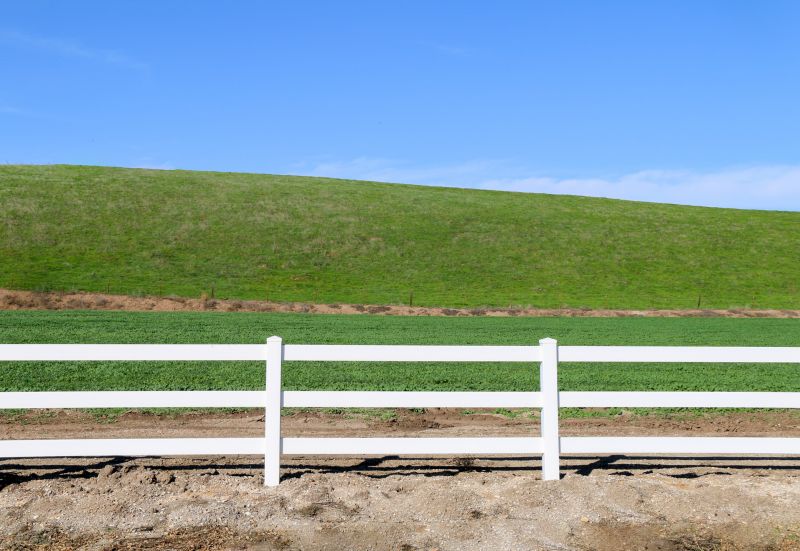
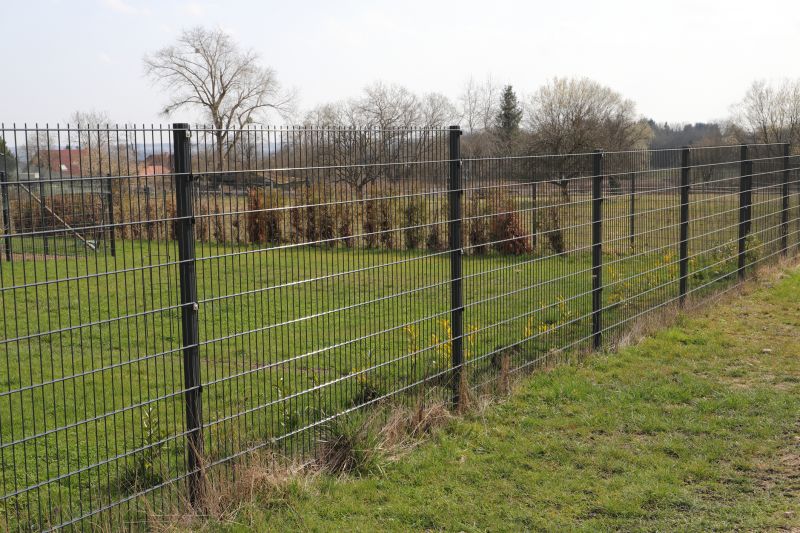
Livestock fencing installation is a common project for property owners looking to secure their land and keep animals safely contained. Whether it's replacing worn-out fencing, adding new barriers to prevent animals from wandering off, or upgrading existing structures for better durability, local contractors are equipped to handle these everyday needs. Many property owners seek professional fencing services to ensure their livestock remains safe while maintaining a clear boundary around their property.
In addition to keeping animals secure, property owners often look for fencing solutions to define property lines or improve privacy. Local service providers can assist with installing fences that suit specific needs, whether for small farms, large ranches, or residential properties with livestock. These projects typically involve straightforward installation tasks that help landowners manage their land more effectively and prevent unwanted intrusions.
What types of fencing materials do local contractors install for livestock? Local service providers typically install various fencing materials such as wire, wood, vinyl, and electric fences to suit different livestock needs.
Can livestock fencing be customized for different farm sizes? Yes, local contractors can customize fencing designs and layouts to match the size and specific requirements of a farm or property.
What are common considerations when choosing livestock fencing? Factors like durability, livestock type, terrain, and maintenance needs are important considerations that local pros can help evaluate.
Do local contractors handle both installation and removal of old fencing? Many service providers offer both installation of new fencing and removal or replacement of existing fencing as part of their services.
What types of livestock fencing are suitable for different animals? Different animals, such as cattle, horses, or sheep, may require specific fencing types; local pros can recommend the best options for each livestock type.
Farm Boundary Fencing - Installing fencing around a property helps keep livestock contained and prevents them from wandering off the land. Local contractors can set up durable barriers to suit specific farm needs.
Pet Enclosures - Erecting fencing creates a safe outdoor space for pets to play and exercise without the risk of escaping or encountering hazards. Service providers can customize fencing options for different pet sizes and behaviors.
Garden and Crop Protection - Fences can be used to protect vegetable gardens and crops from animals or pests, ensuring a secure growing area. Local pros can install fencing that blends with the landscape while providing effective coverage.
Pasture Expansion - Extending existing fencing allows property owners to increase grazing areas for livestock or create separate paddocks for rotational grazing. Local contractors can help design and install fencing that fits the property layout.
If you are thinking about Livestock Fencing Installation for a property, this guide is meant to help you understand the work, the typical project types, and how different options might fit your plans.
When you are ready, you can use the quote form on this page to share a few details about your project. From there, local pros can review the basics and respond with options that match what you have in mind.